Why Water, Food, and a 72-Hour Kit Are the Only Prepper Topics That Actually Hook Skeptics
If you’ve ever rolled your eyes at “doomsday preppers” but still felt a tiny pang of unease when the power flickers or the grocery shelves look thin, you’re not alone. You’re on the fence—and you’re exactly who the prepper world is quietly winning over right now.
After digging through dozens of beginner guides, Reddit threads, YouTube channels, and recent prepper discussions, one pattern stands out: people who aren’t ready to build a bunker still want smart, low-drama answers to three simple questions.
- What if the water stops?
- What if we can’t shop for a week?
- What if we have to leave home fast? Those questions lead straight to the same three topics—every single time.
1. Water Storage and Purification (The #1 Gateway Prep)
You can survive three weeks without food. Three days without water. That math hits different when you realize your city’s tap could go down after a storm, boil-water advisory, or grid hiccup. Fence-sitters love this topic because it feels responsible, not paranoid. A few extra jugs or a $30 filter doesn’t scream “end of the world.”
It just says, “I’ve got my family covered for two weeks.”
Start here:
- Store one gallon per person per day (easy math: four people = 28 gallons for a week).
- Rotate it like you would milk.
- Add a gravity filter or purification tablets and you’re done.
No apocalypse required—just peace of mind when the next hurricane or winter storm knocks out the pipes.
2. Food Storage Done Right (The “I Already Eat This” Strategy)
Nobody wants to waste money on weird freeze-dried mystery meals they’ll never touch. That’s why pantry stockpiling is the second-biggest draw for beginners. It feels like smart grocery shopping with a safety net.
The trick that converts skeptics?
Buy what you already eat—rice, beans, pasta, canned veggies, peanut butter, oats.
Build two to four weeks’ worth gradually.
Rotate by “first in, first out” so nothing expires.
Cost? Often under $100 a month if you shop sales. Suddenly you’re not “prepping.”
You’re just the person who doesn’t panic when a snowstorm empties the shelves.
3. The 72-Hour Emergency Kit (Your “Grab and Go” Insurance Policy)
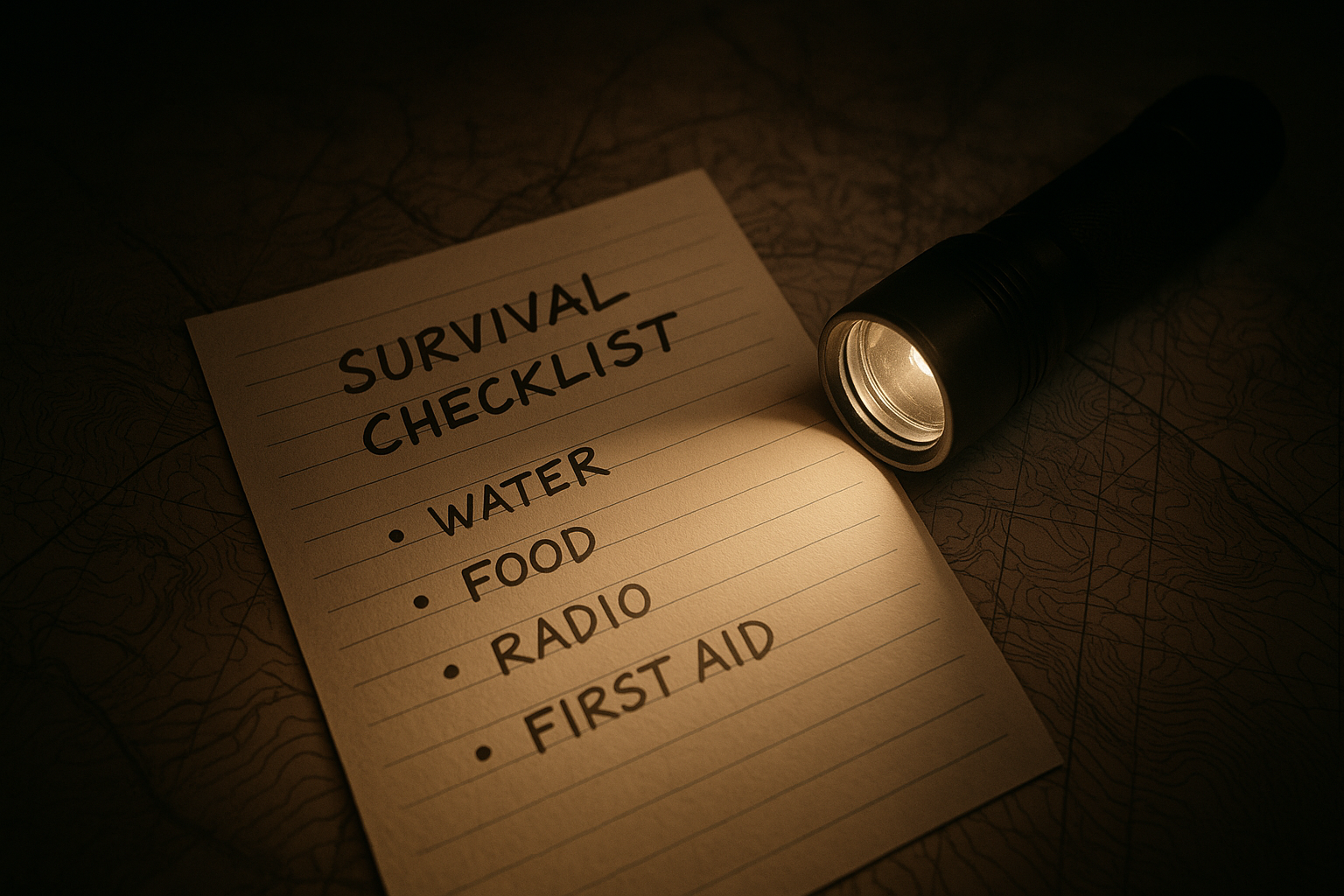
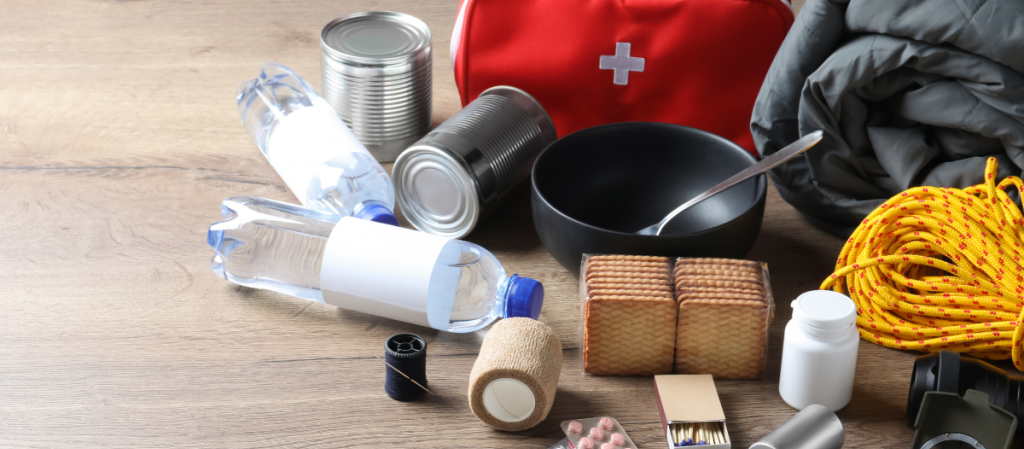
This one flips the script from fear to freedom. A simple backpack or bin with water, non-perishable snacks, first-aid basics, flashlight, phone charger, and copies of important docs isn’t about fleeing zombies—it’s about handling a power outage, evacuation order, or “stay in place” situation without scrambling.
Communities from urban apartments to suburban homes keep coming back to this because it’s doable in a weekend and actually gets used. Many families now treat it like car insurance: boring until the day you’re grateful it’s there.
Here’s the beautiful part: once people dip their toes into these three areas, the overwhelm disappears. They realize prepping isn’t all-or-nothing. It’s just adulting with a plan.
So if you’re still on the fence, start tiny this weekend. Grab an extra case of water, toss some pantry staples in a bin, and pack one 72-hour bag.
You won’t become a “prepper” overnight—you’ll just become the calmest person in the room when life gets bumpy.
And that feeling? Worth every jug and can.